Emergency Tree Removal for Aberdeen Homes
Request an estimate today
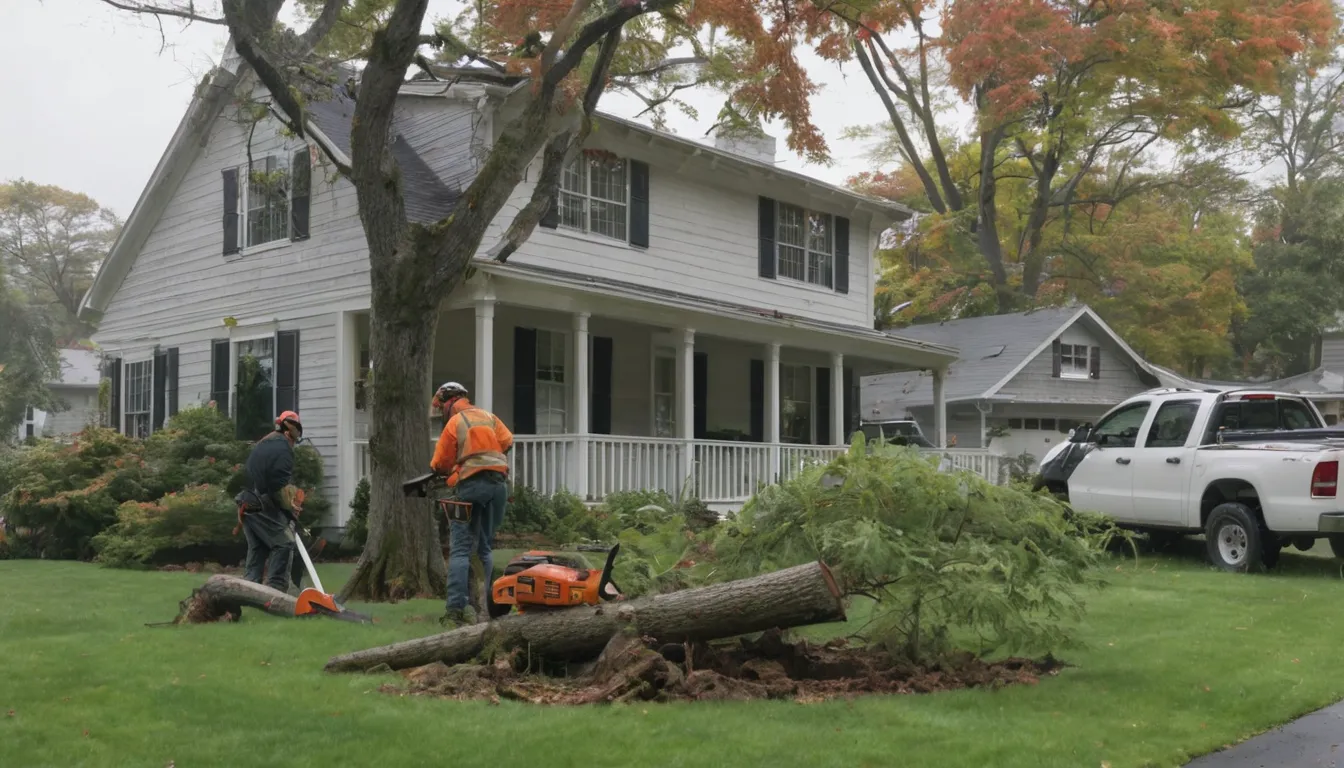
A tree can fall in seconds. It can block your driveway, crush a fence, or rest on your roof. Then you have to deal with it while kids need rides and work still waits.
Whereverhas Tree Service is a referral service. We do not cut or haul trees. We connect you with independent providers in our network who handle emergency tree removal. You tell us what happened. A local provider then reaches out with next steps. We explain each step in plain words, so you know what to expect. Many providers can respond quickly after a storm, but availability varies. You stay in charge. You can compare quotes, ask questions, and say no. There is no obligation to hire anyone.
Tree Down? Stay Safe First
Stop and look before you act. Stay inside if wind or lightning is still going. Keep kids and pets away from the tree.
Stay far back from the tree and anything it touches. A good rule is 30 feet or more. Wet branches and loose limbs can shift without warning.
Treat Power Lines as Live
If a wire touches the tree, assume it has power. Do not touch the tree, the wire, or standing water near them. Call 911 and your power company. Then wait for them.
Check Your Home From the Outside
Look for cracks, sagging roof lines, or broken windows. If you smell gas or hear hissing, leave and call 911. Do not go into a room where the ceiling looks bent.
What Counts as an Urgent Tree Problem
Not every tree problem is an emergency. Here is a quick way to sort it out.
- A tree or large limb is on your house, car, or a power line.
- A tree blocks your driveway or the only way out.
- A tree leans hard after a storm, and the roots lift the soil.
- A big limb hangs loose over a play area or walkway.
A fallen branch in the back corner of the yard can usually wait a few days. A tree on the roof cannot.
How Fast Does Timing Matter?
Time changes the outcome. Here is what the first days often look like.
The First Few Hours
Your goal is safety. Get everyone clear. Call the utility if wires are involved. Take photos from a safe spot. Then ask a local provider to assess the site.
The First Day
A provider checks the tree, the weight, and what it rests on. Crews often add a tarp (a heavy plastic cover) over a damaged roof. This keeps rain out while you plan the rest.
Days Two and Three
The tree is cut into sections and hauled off. Leaning or hung-up trees take more care. Cracked limbs can fall later, so a provider may trim them now.
The First Week
Rain, wet leaves, and winter ice make damage worse. A small leak turns into a soaked ceiling. A leaning tree can drop in the next nor'easter. Earlier action often means smaller repairs.
How Storm Tree Clearance Works
Storm tree clearance means making the site safe, then removing the wood. Providers in our network usually follow the same steps.
- They walk the site and look for hazards.
- They set up gear and plan where each piece will fall or be lowered.
- They cut the tree into smaller sections with chainsaws.
- They haul away logs and brush, or stack them if you ask.
A tree falling service also handles trees that have not hit the ground yet. If a tree leans or hangs on a roof, the provider may use ropes or a crane (a tall lifting machine) to control each cut.
Working Around Your Daily Routine
Plan around your week. Tell the provider about school drop-offs, work calls, and nap times. Ask about start times, noise, and driveway access. Emergency jobs come first, but you can still share what matters at home.
If you work from home, ask how loud the job will be. Chainsaws and wood chippers are loud. Park cars away from the work zone before the crew arrives.
Working With Your Insurance
Some policies may cover sudden damage from a fallen tree. Others may not. Check your policy, and ask your insurer what it needs.
Providers can often help document damage for a claim. Ask for a written note that lists the work and the date. Keep your own photos too. Do not wait on a claim to make the site safe.
After a Big Storm: What to Expect
When a storm hits a whole area, many homes need help at once. Providers get busy. Waits can be longer. Roads may be blocked.
If your home is unsafe, say so up front. Providers often handle the most dangerous jobs first. Request a callback to check provider availability, or use the form to share your details.
Preventing the Next Storm Problem
Some tree failures can be seen coming. Look for dead branches, cracks in the trunk, mushrooms at the base, and a lean that is growing. Older trees near colonial and split-level homes often hang over roofs, so check them each spring and fall.
A trimmed tree handles wind better. After a job, ask a provider if other trees on your lot are weak. Stump grinding can also come later, once the main danger is gone.
Questions to Ask the Provider
Ask before you commit. A calm list of questions helps in a stressful moment.
- Can you send a written quote before work starts?
- Does the quote cover cleanup and hauling?
- Do you carry liability insurance and workers' compensation?
- How will you protect the roof, lawn, and driveway?
- What time will you arrive, and how long will it take?
Plain words, clear quotes. If an answer feels vague, ask again. A good provider will explain.
Be Careful With Door-to-Door Offers
After storms, strangers may knock and offer quick work. Be careful. Ask for proof of insurance and a written quote. Do not pay in full up front.
What's Included
Fallen Tree Removal
Providers cut and haul trees that fell on yards, fences, driveways, and roofs.
Hung-Up Tree Control
Trees leaning or stuck on another tree or roof are lowered in careful, planned sections.
Storm Tree Clearance
Broken limbs and debris get cleared so you can use your driveway and yard again.
Site Cleanup
Many providers haul logs and brush away, so your yard is safe again.
Typical Emergency Tree Removal Costs
Prices vary by tree size, location, and damage. Emergency jobs often cost more than planned ones. These are typical U.S. ranges. Always get a written quote before work starts.
| Item | Typical range | Notes |
|---|---|---|
| Small tree down in yard | $300 – $900 | Easy access, no damage to structures |
| Medium tree down | $800 – $2,000 | More cutting and hauling needed |
| Large tree down | $1,500 – $4,500 | Heavy wood, often needs extra gear |
| Tree on roof or house | $2,000 – $10,000 | Needs careful lowering; may need a crane |
| Crane use | $500 – $1,500 per hour | Used for large trees or tight spaces |
| Debris haul-away | $100 – $600 | Sometimes included in the quote |
How It Works
Tell Us What Happened
Use the form to share the tree size, where it fell, and any damage you see.
Get Matched Locally
A provider in our network reaches out to talk about next steps.
Review the Quote
Ask for a written quote that lists the work, cleanup, and timing.
Plan the Work Day
Pick a time that fits school and work, then clear access for the crew.
Why Call Whereverhas Tree Service
Plain Steps, Not Jargon
We explain each step in short words so you can decide with a clear head.
Local Providers
You get matched with independent providers who work near your home.
Your Schedule
Share your week, and ask providers how they can work around it.
No Obligation
You can compare quotes, ask questions, and choose only if it feels right.
Other Services
Need emergency tree removal in Aberdeen?
Send a short request about your tree. A local provider in our network can reach out to talk through the job and give a written quote.
No obligationEmergency Tree Removal FAQ
What should I do first if a tree falls on my house?
Get everyone out if the roof or walls look unsafe. Stay away from power lines. Call 911 if anyone is hurt or you smell gas. Then take photos and ask a local provider for help.
How quickly can someone remove a fallen tree?
It depends on the storm, the weather, and the provider. After a big storm, many providers are busy, and waits can be longer. Many can respond quickly for dangerous jobs. Ask each provider for an arrival window.
Will my homeowners insurance pay for emergency tree removal?
Some policies may cover sudden damage, such as a tree that falls on your house. Others may limit it or not cover it. Check your policy and ask your insurer. Providers can often help document the damage for a claim.
Reach a local provider
Send a short request about your tree. A local provider in our network can reach out to talk through the job and give a written quote.
No obligation